
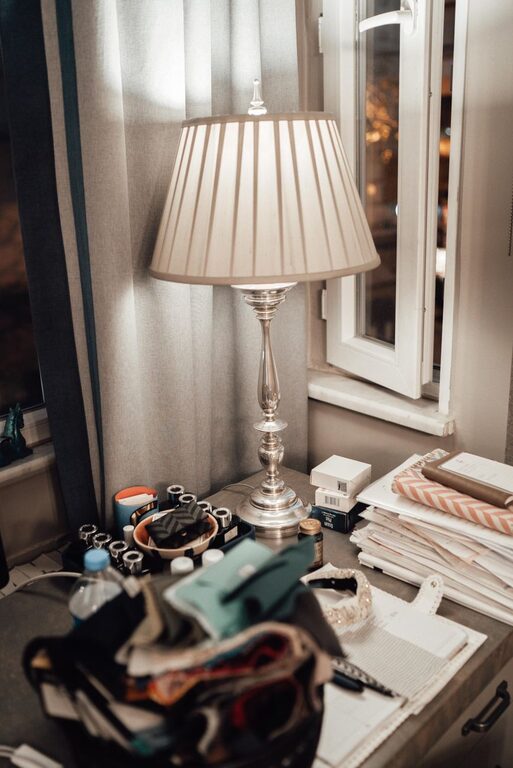
Paper clutter can build up quietly. A few receipts on the counter, school papers on the fridge, and unopened mail on a table can quickly become piles that feel difficult to manage. The good news is that you do not need a complicated filing system or an entire weekend to regain control.
With a few simple habits, you can reduce the amount of paper entering your home, organize the documents you need to keep, and make the rest easier to recycle or discard.
Start With a Quick Paper Sweep
Before creating a detailed system, gather the paper from around your home. Check kitchen counters, desks, drawers, bags, entryway tables, and other common drop zones.
Place everything in one central location, such as a table or clear floor space. This gives you a complete view of what you have and prevents you from organizing one pile while forgetting about another.
Do not try to make final decisions immediately. Begin by grouping similar items:
– Mail and advertisements
– Receipts
– Bills and statements
– School or work papers
– Manuals and warranties
– Personal documents
– Notes and miscellaneous papers
Seeing the full collection often makes the task feel more manageable.
Use a Simple Four-Category Sort
A sorting system with too many choices can slow you down. Try using four categories:
- **Action:** Papers that require a response, payment, signature, or appointment.
- **Keep:** Documents you may need for reference or records.
- **Scan:** Papers you want to preserve digitally.
- **Recycle or discard:** Items you no longer need.
Sort quickly and avoid reading every page in detail. If a document needs more attention, place it in the action category and continue. The goal of the first pass is to create order, not complete every task.
Create an Action Spot
The action category should have a clear home. Use a small tray, folder, or wall organizer for papers that need attention.
To prevent the tray from becoming another long-term pile, schedule a regular review. Once or twice a week, set aside a few minutes to:
– Pay or schedule bills
– Complete forms
– Return permission slips
– Make appointments
– File finished documents
– Recycle papers that no longer need attention
A visible action spot is helpful because it keeps important papers from getting lost without allowing them to spread across the house.
Reduce Paper at the Source
The easiest paper to manage is paper that never enters your home. Review the mail and documents you receive regularly, then look for ways to reduce them.
Consider these options:
– Switch recurring bills to electronic statements.
– Choose digital receipts when they are available.
– Unsubscribe from catalogs and promotional mail.
– Remove your name from unwanted mailing lists.
– Ask organizations to send notices by email.
– Cancel subscriptions you no longer read.
– Avoid taking printed handouts when you can access the same information online.
Set aside a few minutes each month to unsubscribe from unwanted messages or update delivery preferences. These small changes can make a noticeable difference over time.
Be Selective About What You Keep
Many people keep paper because they are unsure whether it might be useful later. A better approach is to ask a few practical questions:
– Will I realistically need this information again?
– Is the information available online?
– Can I replace this document easily if necessary?
– Is this the original version, or just a duplicate?
– Does this paper support a current task or responsibility?
Keep important records, original documents, and papers with information that would be difficult to replace. For everyday reference materials, consider keeping only the most useful version.
For example, you may not need an entire stack of product brochures if the manufacturer provides current information online. You also may not need every receipt for ordinary purchases once the return period has passed.
Scan Useful Documents
Scanning can reduce physical storage while preserving information you may want later. A smartphone scanning app or home printer with a scanner is usually enough for basic documents.
Create a small set of digital folders, such as:
– Home
– Insurance
– Taxes
– School
– Work
– Appliances
– Receipts
– Personal records
Use clear file names that include the document type and date. For example, “Appliance warranty refrigerator 2026” is easier to find than “Scan001.”
Back up important digital files using a reliable storage method. You can use a computer, an external drive, or a trusted cloud storage service. If a document contains private information, use strong passwords and avoid storing it in an unsecured location.
Remember that scanning is not a reason to keep every piece of paper. Digital clutter can also grow, so scan only documents that are genuinely useful.
Create a Small, Practical Filing System
A filing system should match the amount of paper you actually have. If your household has limited paperwork, a large filing cabinet may create unnecessary work.
Try one of these simple options:
– A portable file box with labeled folders
– A desktop file organizer
– A small accordion folder
– A few labeled binders
– A combination of one active folder and one archive box
Use broad labels instead of creating a separate folder for every type of document. Categories such as “Home,” “Vehicle,” “Education,” and “Personal” are often enough.
Keep frequently used documents in an easy-to-reach location. Store older records in a less convenient area, but label the container clearly so you can find it when needed.
Set Up a Paper Drop Zone
Choose one place where all new paper goes. This could be a basket near the entryway, a tray on a desk, or a folder in the kitchen.
When you bring in mail or receive paperwork, place it in the drop zone rather than setting it down wherever there is space. Then process it during a scheduled paper review.
A useful drop zone may include:
– An inbox tray
– A recycling bin
– A shredder or secure disposal container
– Pens and envelopes
– A folder for outgoing papers
Keeping these supplies together makes the sorting process faster and encourages everyone in the household to follow the same routine.
Recycle and Dispose of Paper Safely
Once you decide that a document is no longer needed, remove it from your home promptly. Place ordinary paper in the recycling bin if your local recycling rules allow it.
For papers containing private details, such as account numbers, identification information, or personal addresses, use a shredder or another secure disposal option. Check your community’s guidelines for recycling shredded paper, since some programs require it to be bagged or handled separately.
Avoid keeping discard piles around “just in case.” If you are uncertain about an important record, place it in a temporary review folder with a date. Revisit the folder after a set period and make a final decision.
Maintain the System With Small Habits
Paper clutter is easier to prevent than to remove. Use a few simple habits to keep it under control:
– Sort the mail as soon as possible.
– Recycle advertisements immediately.
– Open important mail over the recycling bin.
– Review the action tray once a week.
– File or scan papers after completing a task.
– Clear household surfaces at the end of each day.
– Do a short paper reset at the end of each month.
The goal is not to create a perfect system. It is to make paper decisions simple enough that you can repeat them consistently.
A central drop zone, a short list of filing categories, and regular five-minute reviews can prevent most paper piles from returning. Start with one surface or one drawer today, then build the system gradually as it becomes part of your routine.