
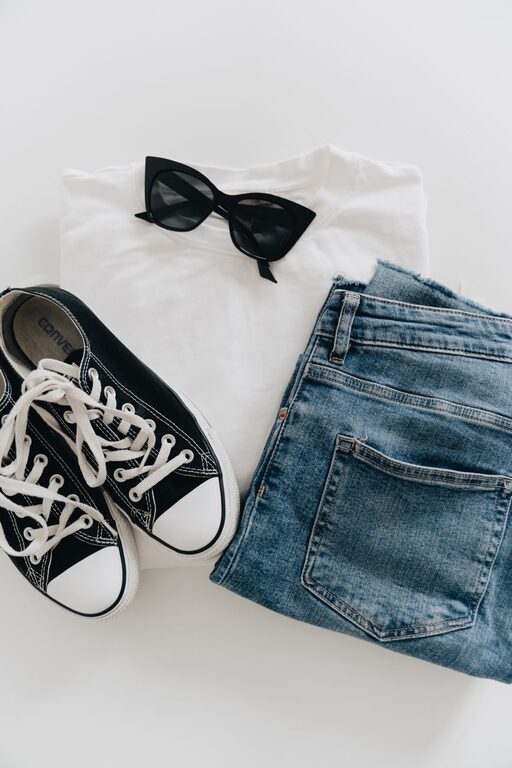
What Is a Capsule Wardrobe?
A capsule wardrobe is a small collection of clothing items that work well together. Instead of filling your closet with pieces you rarely wear, you choose versatile garments that suit your lifestyle, personal taste, and daily routine.
A capsule wardrobe does not have to follow strict rules. You do not need to own a specific number of items or wear only neutral colors. The goal is to make getting dressed easier while helping you make more thoughtful clothing choices.
A well-planned wardrobe can help you:
– Create outfits more quickly
– Make better use of the clothes you already own
– Reduce unnecessary shopping
– Keep your closet organized
– Focus on quality, comfort, and personal style
Start With Your Lifestyle
Before buying anything, think about how you actually spend your time. Your wardrobe should support your real life, not an imagined version of it.
Consider your typical week:
– Do you work in an office, from home, or outdoors?
– How often do you attend formal events?
– Do you need comfortable clothes for travel or errands?
– What activities require special clothing?
– What is the weather like where you live?
– Do you prefer practical, relaxed, polished, or creative outfits?
For example, someone who works from home may need more comfortable pants and casual tops than tailored jackets. Someone who works in a formal setting may need several shirts, trousers, dresses, or blazers.
Write down the activities you dress for most often. This list will help you avoid buying items that look appealing but do not fit your routine.
Review Your Current Closet
A capsule wardrobe usually begins with the clothing you already own. Set aside time to look through your closet and drawers. Try items on if you are unsure about their fit or comfort.
Sort your clothes into four groups:
- **Keep:** Items that fit well, feel comfortable, and are worn regularly.
- **Repair:** Pieces that need a small fix, such as a missing button or loose hem.
- **Store:** Seasonal items or clothing you want to keep but do not currently need.
- **Remove:** Items that no longer fit, are uncomfortable, or have not been worn in a long time.
Pay attention to patterns. You may discover that you own many similar tops but lack comfortable shoes or reliable outerwear. You may also find that certain colors and fabrics appear repeatedly in your favorite outfits.
Do not rush to remove everything that is not currently in rotation. If an item has sentimental value or serves a specific purpose, it can remain separate from your everyday capsule.
Choose a Simple Color Palette
A consistent color palette makes it easier to combine your clothes. Start with two or three base colors, such as black, navy, gray, brown, cream, or denim. Then add one or two accent colors that you enjoy wearing.
For example, a palette might include:
– Base colors: navy, white, and tan
– Accent colors: green and burgundy
– Optional pattern: small stripes or checks
Your palette does not need to be completely neutral. Bright colors can work well in a capsule wardrobe when they coordinate with several other pieces.
When choosing colors, consider what you already own. Building around your existing favorites is usually easier and less expensive than replacing everything.
Build Around Versatile Essentials
The foundation of a basic capsule wardrobe is a group of pieces that can be worn in several ways. The exact list will vary, but most wardrobes benefit from a mix of tops, bottoms, layers, shoes, and accessories.
Tops
Consider including:
– Two or three everyday T-shirts
– One or two long-sleeve shirts
– A button-down shirt or blouse
– A sweater or lightweight knit
– One slightly dressier top
Choose styles that can be worn alone, layered, or dressed up with accessories.
Bottoms
A basic selection might include:
– One pair of jeans
– One pair of casual trousers
– One comfortable pair of pants
– One skirt or pair of shorts, depending on your preferences
– One more polished bottom for dressier occasions
Look for bottoms that work with multiple tops. A good fit is more important than following a particular trend.
Layers and Outerwear
Layers add variety and help you adapt to changing temperatures. Useful options include:
– A cardigan or casual jacket
– A blazer or structured layer
– A versatile coat
– A rain jacket or weatherproof outer layer
– A warm sweater for colder days
Choose outerwear based on your climate and routine. If you walk often, comfort and weather protection may be more important than formal appearance.
Shoes
Three or four pairs may be enough for a basic wardrobe, depending on your lifestyle. You might choose:
– Comfortable everyday sneakers
– Casual boots or loafers
– Dressier shoes
– Seasonal footwear, such as sandals or winter boots
Make sure your shoes are comfortable and match several outfits. Shoes often affect how formal or casual an outfit feels, so a small variety can make your wardrobe more flexible.
Select the Right Number of Items
There is no universal capsule wardrobe size. Some people prefer a very small collection, while others need more options for work, hobbies, or changing weather.
Instead of choosing a number first, focus on whether you have enough clothing for your weekly activities. A useful starting point might include:
– Five to eight tops
– Three to five bottoms
– Two to four layering pieces
– One or two dresses or dressier outfits
– Three to five pairs of shoes
– A small selection of accessories
These numbers are only guidelines. You may need more items if you do laundry less often, experience several seasons, or follow a workplace dress code.
Create Outfit Combinations
Once you have selected your core items, create simple outfit combinations. Aim for each top to work with at least two or three bottoms, and each layer to work with several outfits.
You can make this process easier by:
– Taking photos of outfits you like
– Keeping a list of reliable combinations
– Grouping similar colors together
– Hanging complete outfits together for busy mornings
– Using accessories to change the look of familiar pieces
Try wearing your outfits during normal activities, not just in front of a mirror. A combination may look good but feel impractical when you walk, sit, work, or commute.
Shop With a Clear Plan
After reviewing your closet, make a short list of genuine gaps. Avoid shopping for general inspiration when you are trying to build a capsule wardrobe. A specific list helps you choose useful items rather than impulse purchases.
Before buying something, ask:
– Can I wear it with at least three items I already own?
– Does it suit my daily activities?
– Is it comfortable to wear?
– Can I care for it easily?
– Do I like it as much as similar items I already have?
– Will I still want to wear it next season?
Consider fabric, construction, and fit. A slightly more expensive item may be worthwhile if it is comfortable, versatile, and likely to be worn often. However, a higher price does not automatically mean better quality. Examine the garment and choose based on its actual value to you.
Maintain and Adjust Your Capsule
A capsule wardrobe is not a one-time project. Your needs may change with the seasons, work routines, body changes, or personal preferences.
Review your wardrobe every few months. Store out-of-season clothing if you have limited space, and bring it back when the weather changes. Repair useful items promptly, follow care instructions, and replace pieces only when they no longer serve you.
Keep notes about what you wear most. If you repeatedly reach for the same shirt, you may need another similar option. If an item remains untouched, consider whether it belongs in your active wardrobe.
The best capsule wardrobe is practical, comfortable, and personal. Start with what you own, build around your real lifestyle, and make changes gradually. With a thoughtful selection of versatile pieces, you can create a closet that makes everyday dressing simpler and more enjoyable.