
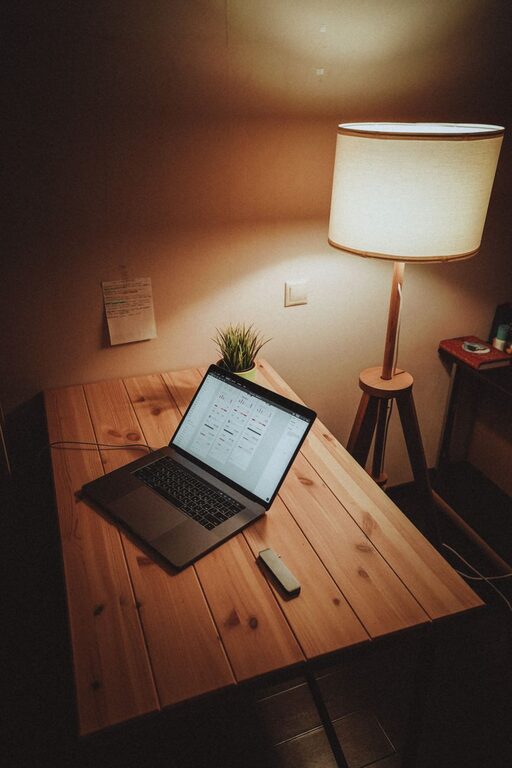
A personalized workspace can make your day feel more comfortable and organized. Whether you work from home, study, or use a small desk for creative projects, a few thoughtful changes can help the space feel like your own.
Personalization does not require expensive furniture or a complete room makeover. Small updates, such as adding a favorite color, improving your lighting, or displaying meaningful items, can make a noticeable difference. The key is to create a space that looks good, works well, and supports the way you use it.
Start With a Clean Foundation
Before adding new decorations, clear your workspace and decide what truly belongs there. A clean surface makes it easier to see what you need and where improvements would be most helpful.
Remove items that are:
– No longer useful
– Broken or outdated
– Used only occasionally
– Taking up valuable desk space
– Better stored somewhere else
Once the desk is clear, group the items you use most often. Keep daily essentials within easy reach, and place less frequently used supplies in a drawer, cabinet, or nearby storage area.
This simple reset gives you a better idea of what your workspace needs. It may also prevent you from buying organizers or accessories that you do not really need.
Choose a Color Theme
Color is one of the easiest ways to personalize a workspace. You do not need to repaint the entire room. Instead, choose one or two colors for small details, such as:
– Desk accessories
– Notebooks
– Folders
– A desk mat
– Wall art
– Storage boxes
– A chair cushion
A simple color theme can make different items look more connected. For example, shades of blue and gray can create a calm appearance, while green, yellow, or warm orange can add energy and character.
If you prefer a more traditional look, use neutral colors for larger items and add brighter shades through smaller accessories. This approach makes it easy to change the style later without replacing major pieces.
Improve Your Lighting
Good lighting can change the entire feel of a workspace. If possible, place your desk near a window so you can benefit from natural light during the day. Avoid positioning your screen where direct sunlight creates glare.
For darker spaces, add a desk lamp that provides comfortable, focused light. Choose a lamp with an adjustable arm or shade so you can direct the light where it is needed.
You can also personalize the lighting with:
– A lamp in a favorite color
– A simple decorative shade
– Warm or cool light bulbs
– Small battery-powered lights
– A soft light behind your monitor
Keep lighting practical as well as attractive. A workspace should be pleasant to look at without making it difficult to read, write, or view a screen.
Add Meaningful Decorations
Personal items can make a workspace feel welcoming. Consider displaying a few objects that bring back good memories or reflect your interests.
Ideas include:
– Framed photos
– Small pieces of artwork
– Travel souvenirs
– A favorite quote
– Handmade items
– A small collection
– Certificates or creative work
Use a light touch. Too many decorations can make the desk feel crowded and distracting. Select a few items that you genuinely enjoy seeing, and rotate them from time to time to keep the space feeling fresh.
A small shelf, pinboard, or wall ledge can help move decorations off your main work surface.
Bring in Plants and Natural Elements
Plants can add color and life to a workspace. If you have a sunny area, consider a small houseplant that fits your routine. For a lower-maintenance option, choose a hardy plant or a realistic artificial plant.
You can also bring in natural textures through:
– A wooden pen holder
– A woven basket
– A corkboard
– A stone paperweight
– A bamboo accessory
– A vase with dried flowers
These details can make a workspace feel warmer without taking up much room. Place plants and decorative items where they will not block your view or interfere with daily tasks.
Make Organization Part of the Design
Organization does not have to look plain. Choose storage that matches your personal style while keeping supplies easy to find.
Useful options include:
– Matching containers
– Colored file folders
– Wall-mounted shelves
– Drawer dividers
– A cable box
– Small trays
– A pegboard
– Labeled storage boxes
Open storage can display attractive items, while closed storage keeps visual clutter out of sight. If you use labels, keep them simple and consistent.
Cable management is another easy improvement. Gather loose cords with reusable ties, clips, or sleeves. Labeling chargers can also save time, especially if several devices use similar cables.
Personalize Your Desk Accessories
Everyday tools can add personality to your workspace. Look for useful items that also suit your taste.
You might choose:
– A distinctive keyboard or mouse
– A patterned desk mat
– A favorite pen set
– A ceramic mug for pencils
– A custom notebook
– A comfortable wrist rest
– A small clock
– A colorful tape dispenser
When selecting accessories, think about how they feel to use, not just how they look. An attractive item that is uncomfortable or difficult to clean may not be a good long-term choice.
Try to keep frequently used accessories within reach. This creates a workspace that feels personal while remaining practical.
Create a Small Inspiration Area
An inspiration area can give your workspace a clear focal point. This might be a section of wall, a corkboard, a magnetic board, or a small shelf.
Use it to display:
– Current goals
– Favorite images
– Short reminders
– Project notes
– Sketches
– Postcards
– Seasonal decorations
Keep the area organized so it remains useful rather than becoming another source of clutter. You can update it at the beginning of each month or whenever your priorities change.
If you share a workspace, a small personal board can help define your area without taking over the entire room.
Choose Comfort Without Losing Style
A workspace should feel comfortable for the tasks you perform there. Small comfort-focused updates can also add visual interest.
Consider adding:
– A supportive seat cushion
– A soft footrest
– A lightweight blanket
– A monitor stand
– A comfortable pair of headphones
– A desk mat with a pleasant texture
Make sure furniture and accessories allow you to work comfortably and move freely. Avoid adding items that reduce usable desk space or make it harder to keep the area tidy.
Personal style is most effective when it works together with comfort and function.
Refresh the Space Regularly
Your workspace does not need to stay exactly the same all year. A small seasonal refresh can make the area feel new without requiring a major purchase.
Try changing:
– Desk artwork
– A plant or flower arrangement
– Notebook colors
– A desktop background
– Decorative objects
– Storage labels
– The position of small accessories
Every few months, review what is on your desk. Remove items you no longer use and make room for things that better match your current needs.
Build a Space That Feels Like You
The best personalized workspace combines useful design with personal touches. Start with a clean surface, choose a simple color theme, improve the lighting, and add a few meaningful decorations. Then organize your supplies so the space remains easy to use.
You do not need to follow a particular design style. Your workspace might be bright and creative, calm and minimal, or filled with practical tools. What matters most is that it supports your routine and feels comfortable to return to each day.