
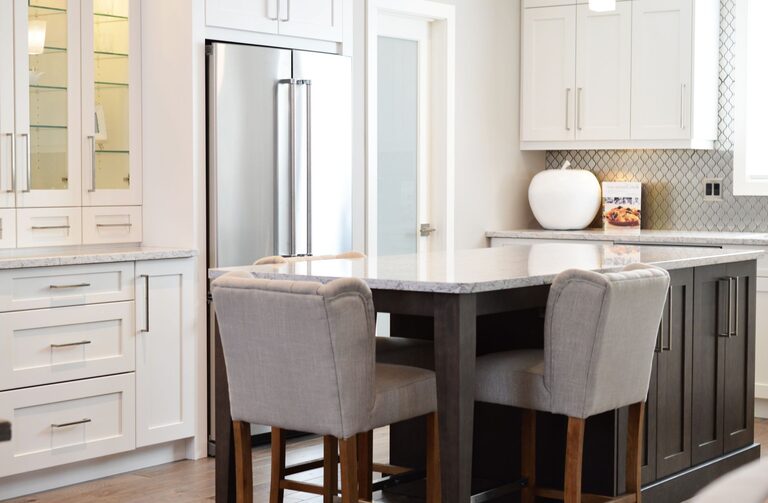
A clutter-free kitchen counter can make the entire room feel cleaner, calmer, and easier to use. When countertops are covered with appliances, mail, dishes, and miscellaneous items, cooking becomes less convenient and cleaning takes longer. The good news is that you do not need a complete kitchen remodel to create more space. A few thoughtful organizing habits can make a noticeable difference.
Start With a Clean Surface
Before deciding where everything should go, remove all items from your counters. Place them on a table, island, or clean section of the floor. This gives you a clear view of how much counter space you have and helps you evaluate each item.
Clean the empty counters with a suitable household cleaner. A fresh surface makes it easier to begin organizing and may help you notice which areas are used most often.
As you sort through the items, place them into four groups:
– Keep on the counter
– Store elsewhere in the kitchen
– Move to another room
– Donate, recycle, or discard
Try not to return items automatically. Every object should have a clear reason for taking up valuable counter space.
Decide What Belongs on the Counter
Counters are useful work areas, not long-term storage spaces. Keep only items that you use frequently and that would be inconvenient to put away every day.
Common counter-friendly items may include:
– A coffee maker used each morning
– A toaster used several times a week
– A knife block
– A fruit bowl
– A cooking utensil holder
– A cutting board used regularly
If you use an appliance only occasionally, store it in a cabinet, pantry, or nearby closet. This includes items such as stand mixers, waffle makers, food processors, and specialty cooking tools.
A helpful rule is to ask yourself whether you used an item during the past week. If not, it may be better stored out of sight.
Create Zones for Different Activities
Organizing counters by activity makes the kitchen easier to use. Instead of spreading items across the entire surface, group related objects into simple zones.
Cooking Zone
Place frequently used cooking tools near the main preparation area. This might include a knife block, cutting board, cooking utensils, and spices. Keeping these items together prevents you from searching through multiple drawers while preparing food.
Beverage Zone
If you regularly make coffee or tea, group those supplies in one location. Keep the coffee maker, electric kettle, mugs, and commonly used supplies together. A small tray can help define the area and make it easier to move everything when cleaning.
Cleaning Zone
Keep dish soap, a sponge, and a brush near the sink, but avoid allowing the area to become crowded. A small container or caddy can hold cleaning tools neatly. Wipe down the caddy regularly so it does not collect water or residue.
Use Cabinets and Drawers More Effectively
A cluttered counter often points to an inefficient storage system. Look inside nearby cabinets and drawers to find unused or poorly organized space.
Remove items you no longer use, then group similar objects together. For example, store baking supplies in one area, food storage containers in another, and everyday dishes where they are easy to reach.
Simple storage tools can improve access without taking up counter space:
– Drawer dividers for utensils
– Shelf risers for plates and bowls
– Pullout bins for pantry goods
– Vertical racks for baking sheets
– Cabinet door organizers for small supplies
– Stackable containers for dry ingredients
Avoid filling every cabinet completely. Leaving a little open space makes it easier to put items away and prevents new clutter from spilling onto the counter.
Reduce Small-Item Clutter
Small items often create the biggest visual mess. Mail, receipts, keys, coupons, charging cables, and school papers can quickly take over a kitchen counter.
Create a designated home for these items outside the main work area. A small basket near the entryway can hold mail and keys. Important papers can go into a file folder or wall organizer. Cables can be gathered in a drawer using simple ties or a small storage box.
Make a habit of clearing these items every day. Sorting mail as soon as it enters the home takes less time than dealing with a large pile later.
Keep Appliances Under Control
Kitchen appliances are convenient, but they can occupy a surprising amount of space. Start by identifying which appliances you use often and which ones are taking up room without earning their place.
For appliances that stay on the counter, look for ways to make the area neater:
– Push appliances against the wall when they are not in use
– Hide cords behind the appliance or use a cord organizer
– Place similar appliances in the same zone
– Use a nearby cabinet for accessories and attachments
– Store lightweight appliances on an easy-to-reach shelf
If you have duplicates, keep the item that works best for your routine and let go of the extras.
Make Better Use of Vertical Space
When counter space is limited, look upward. Wall-mounted or vertical storage can keep useful items within reach without crowding the work surface.
Depending on your kitchen layout, you might use:
– A wall rail for utensils
– Hooks for mugs
– A magnetic strip for suitable kitchen tools
– A narrow shelf for spices
– A pegboard for lightweight supplies
– An over-the-sink rack for drying dishes
Choose storage that fits your style and does not interfere with cooking or cleaning. Keep frequently used items at a comfortable height, and avoid placing heavy objects where they could fall.
Establish a Daily Reset
A short daily reset is one of the easiest ways to maintain clutter-free counters. At the end of the day, return items to their proper locations, load or wash dishes, and wipe the main work surfaces.
A simple five-minute routine might include:
- Put away appliances and ingredients.
- Clear mail and personal items.
- Return dishes to cabinets.
- Wipe the counters and sink.
- Check the floor for items that need to be moved.
Doing a little each day prevents clutter from becoming an overwhelming weekend project.
Use the One-In, One-Out Rule
When you buy a new kitchen item, decide whether something else should leave. This rule helps prevent your storage spaces from becoming overloaded.
For example, if you purchase a new cutting board, review your existing boards and remove one that is damaged or rarely used. The same approach works for mugs, food containers, utensils, and small appliances.
This does not mean you need to discard useful items immediately. It simply encourages you to consider available space before bringing something new into the kitchen.
Keep the System Practical
An organizing system only works if it matches your daily habits. If you use a coffee maker every morning, storing it in a difficult-to-reach cabinet may discourage you from putting it away. If you often cook with certain utensils, keep them close to your preparation area.
The goal is not to create a picture-perfect kitchen. The goal is to make the room easy to use and easy to reset. Choose storage solutions that require little effort, and adjust them when your routine changes.
A clutter-free counter is created through small, consistent decisions. Keep only what you use, give every item a home, and spend a few minutes resetting the space each day. With these habits, your kitchen counters can remain clear, functional, and ready for whatever comes next.