
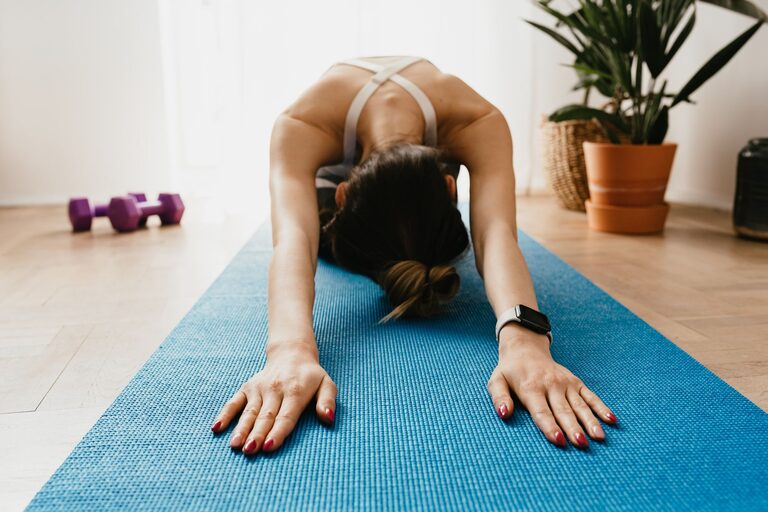
Stretching is a simple way to add movement to your day. It requires little space, no special equipment, and can be adapted to nearly any fitness level. A few minutes of gentle stretching may help you feel more comfortable during everyday activities and make your body feel ready for movement.
If you are new to stretching, the most important goal is consistency rather than intensity. You do not need to force a deep stretch or follow a complicated routine. Start slowly, pay attention to how your body feels, and build a routine that fits your schedule.
What Is Stretching?
Stretching involves moving a muscle or group of muscles into a position that gently lengthens them. Some stretches are held in place, while others use controlled movement.
The two most common types are:
– Static stretching: Holding a comfortable position for a period of time.
– Dynamic stretching: Moving gently through a range of motion without holding one position for long.
Both types can be useful. Dynamic movements are often a good choice before more active exercise, while static stretches can fit well into a cool-down or relaxing evening routine.
Why Stretch at Home?
A home stretching routine can be easy to maintain because it does not require travel or expensive equipment. You can stretch in a bedroom, living room, or any clear area where you can move safely.
Regular stretching may help you:
– Move more comfortably during daily activities
– Reduce the feeling of stiffness after sitting
– Improve awareness of posture and body position
– Prepare your body for physical activity
– Create a calm break during a busy day
– Support a consistent movement habit
Stretching is not a competition. Flexibility varies from person to person, and progress can be gradual. Some areas may feel naturally tighter than others, so compare your progress only with your own starting point.
How to Prepare for Stretching
You can stretch at any time, but a little preparation can make the experience more comfortable.
Choose a Safe Space
Clear the floor of bags, toys, cords, and other objects that could cause you to trip. If you are stretching on the floor, use a yoga mat, carpet, or folded towel for comfort. Wear clothing that allows you to move freely.
Warm Up Gently
Stretching cold muscles may feel uncomfortable. Before static stretches, spend a few minutes walking around the room, marching in place, or moving your arms in easy circles.
A warm-up does not need to be intense. The goal is simply to increase movement and help your body feel ready.
Use Calm Breathing
Breathe slowly and naturally throughout each stretch. Avoid holding your breath. Gentle breathing can help you stay relaxed and prevent you from rushing through the routine.
A Simple Full-Body Stretching Routine
The following routine is suitable for beginners. Move slowly and stay within a comfortable range. Hold each static stretch for about 15 to 30 seconds, then release gradually. Repeat once on each side when needed.
1. Neck and Shoulder Release
Sit or stand tall with your shoulders relaxed. Slowly tilt your head toward one shoulder, keeping your face pointed forward. Return to the center and repeat on the other side.
Next, lift your shoulders gently toward your ears, then lower them. Repeat several times. Avoid pulling on your head or making fast neck movements.
2. Shoulder and Upper Back Stretch
Bring one arm across your chest. Use the opposite arm to support it gently near the upper arm. Keep your shoulders relaxed and hold the stretch without pressing hard.
For an upper back stretch, extend both arms in front of you and lightly clasp your hands. Round your upper back as if you are reaching forward, then return to a comfortable upright position.
3. Chest Stretch
Stand near a doorway. Place one forearm against the door frame with your elbow around shoulder height. Step forward slowly until you feel a gentle stretch across your chest and the front of your shoulder.
Keep the movement small and comfortable. Switch sides after holding the position.
4. Side Stretch
Stand with your feet about hip-width apart. Raise one arm overhead and slowly lean to the opposite side. Keep both feet grounded and avoid twisting your body.
You should feel a gentle stretch along the side of your body. Return to the center and repeat on the other side.
5. Standing Quad Stretch
Use a wall or sturdy chair for balance if needed. Bend one knee and bring your heel toward your seat. Hold your ankle or the lower part of your pant leg, keeping your knees close together.
Keep your torso upright and avoid pulling your foot forcefully. Lower your leg slowly and repeat on the other side.
6. Hamstring Stretch
Sit on the edge of a chair with one leg extended and your heel resting on the floor. Keep your back long and lean forward slightly from your hips.
You should feel the stretch along the back of your extended leg. Do not round your back or try to touch your toes. Switch legs after holding the stretch.
7. Calf Stretch
Face a wall and place both hands against it. Step one foot back, keeping the heel on the floor and the toes pointing forward. Bend your front knee slightly while keeping the back leg comfortably extended.
Lean toward the wall until you feel a stretch in the calf of the back leg. Change sides when finished.
8. Hip Stretch
Sit on a chair with both feet on the floor. Place one ankle over the opposite knee. Keeping your back straight, lean forward slightly until you feel a gentle stretch around the hip and outer thigh.
If this position feels uncomfortable, return both feet to the floor and choose a different stretch.
Common Beginner Mistakes
Stretching is usually simple, but a few habits can make it less comfortable or less effective.
Avoid these common mistakes:
– Bouncing: Use slow, controlled movements instead of bouncing into a stretch.
– Forcing the range: A deeper stretch is not always better.
– Holding your breath: Keep breathing steadily.
– Rushing: Give each movement enough time to feel controlled.
– Ignoring alignment: Keep your knees, feet, and hips in comfortable positions.
– Stretching only one side: Balance your routine by working both sides of your body.
– Doing too much too soon: Begin with a short routine and add time gradually.
A mild pulling sensation can be normal, but sharp, sudden, or worsening discomfort is a signal to stop. If a movement does not feel right, return to a neutral position and try a gentler option.
How Often Should You Stretch?
A short routine performed regularly is often easier to maintain than a long session done occasionally. Beginners might start with five to ten minutes several days a week. You can gradually increase the time as the routine becomes familiar.
Consider adding stretches to an existing habit, such as:
– After waking up
– During a work break
– After a walk
– In the evening
– While waiting for water to boil
Keep the routine simple enough that you can repeat it. Consistency matters more than performing a large number of stretches.
Tips for Making Stretching a Habit
Set a reminder on your phone or place your mat where you can see it. Choose a specific time of day and begin with just a few movements. You can also listen to calm music or follow a beginner-friendly video, provided the instructor explains movements clearly and encourages comfortable ranges.
Keep track of how you feel before and after stretching. Notice whether you move more easily or feel less stiff. These small observations can help you stay motivated.
Final Thoughts
Stretching at home is an accessible way to include more movement in your daily routine. Start with gentle exercises, warm up first, breathe naturally, and avoid forcing any position. With regular practice, a few simple stretches can become a relaxing and useful part of your day.