
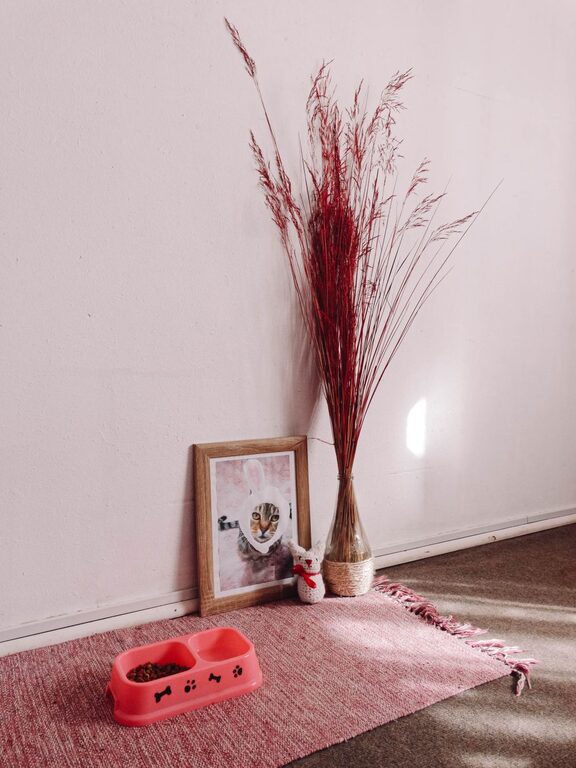
A dedicated pet-friendly corner can give your companion a comfortable place to rest while keeping everyday pet items organized. Whether you live in a large house or a small apartment, a thoughtfully arranged area can fit into your existing space without making your home feel cluttered.
The best pet corner is safe, easy to clean, and suited to your pet’s habits. It does not need to be expensive or elaborate. With a few practical choices, you can create a welcoming space for sleeping, eating, playing, and relaxing.
Choose the Right Location
Start by observing where your pet already feels comfortable. Many pets prefer a quiet spot near the family, while others may enjoy a low-traffic area where they can rest undisturbed.
Look for a location that offers:
– A comfortable temperature
– Protection from direct sunlight and drafts
– Enough room for your pet to turn around and stretch
– Easy access for cleaning
– A safe distance from stairs, heaters, and busy walkways
A corner of the living room often works well because your pet can remain close to the household. A quiet bedroom corner may be better for pets that need more privacy. Avoid placing the area directly beside loud appliances, doors that open frequently, or places where people may trip over supplies.
If you have more than one pet, consider whether they prefer to share space or need separate areas. Giving each pet a comfortable option can help reduce competition and make the home feel more peaceful.
Select Comfortable Bedding
A bed is usually the main feature of a pet corner. Choose one that matches your pet’s size and sleeping style. Some pets like to stretch out, while others prefer a bed with raised edges that feels enclosed.
When selecting bedding, consider:
– The size and shape of your pet
– Whether the cover can be removed and washed
– The durability of the fabric
– The firmness and support
– Whether the bed stays in place on the floor
A washable cover makes regular cleaning much easier. A non-slip bottom can also help prevent the bed from sliding across smooth flooring. For smaller pets, a low-sided bed may make it easier to climb in and out. Older pets or pets with limited mobility may also benefit from a bed with an easy-to-reach entrance.
Keep an extra blanket or washable cover nearby so you can replace bedding quickly when needed. Choose fabrics that are comfortable but not overly loose or frayed, since loose threads can become a nuisance.
Create a Safe and Tidy Storage Area
Pet supplies can quickly spread throughout the home. Add a small basket, cabinet, or storage bin beside the bed to keep everyday items in one place.
Useful items to store include:
– Leashes and collars
– Toys
– Grooming tools
– Extra blankets
– Waste bags
– Food measuring tools
– Cleaning supplies
Use a container with a lid for items that should remain out of reach. Keep food and treats in sealed containers to help preserve freshness and discourage unwanted attention from pets or pests.
Avoid storing cleaning products, small objects, or items that could be chewed in an open basket. If children also use the room, choose storage that keeps pet supplies separate from toys and household items.
Labeling containers can make the corner easier for everyone to maintain. For example, one bin can hold toys, while another stores outdoor supplies. Simple organization helps keep the space functional without requiring much daily effort.
Set Up Food and Water Thoughtfully
If your pet eats in the same corner, place food and water bowls on a washable mat. The mat helps protect the floor from spills and makes cleanup faster.
Choose bowls that are sturdy and easy to wash. A wide, stable base can help prevent tipping. Place the bowls away from bedding so water spills do not dampen the sleeping area.
Food storage should be separate from the serving area when possible. This keeps the corner cleaner and makes it easier to monitor how much food is being used. Clean bowls regularly and wipe the mat as needed to prevent odors and buildup.
If your pet tends to carry food away from the bowl, use a larger mat or move the feeding station to a flooring surface that is simple to clean, such as tile or washable vinyl.
Add Gentle Enrichment
A pet corner should be more than a place to sleep. Add a few safe activities that encourage quiet play and mental engagement.
Depending on your pet, you might include:
– A small selection of durable toys
– A scratching surface
– A soft blanket
– A chew-safe toy
– A simple puzzle activity
– A window view with secure surroundings
Avoid overcrowding the area. Too many toys can make the corner look messy and may reduce your pet’s interest in individual items. Rotate toys every few days or weeks to keep the space fresh.
Inspect toys regularly for damage. Replace items that are broken, heavily worn, or small enough to become a swallowing risk. Choose products appropriate for your pet’s size and normal play habits.
Make the Area Easy to Clean
A pet-friendly corner should fit naturally into your cleaning routine. Use washable fabrics, wipeable surfaces, and flooring that can handle occasional spills.
A practical cleaning routine may include:
- Remove loose hair and debris several times a week.
- Wash bedding according to the care instructions.
- Wipe food and water mats regularly.
- Clean storage containers as needed.
- Check the area for damaged items or hidden clutter.
- Refresh the arrangement when your pet’s habits change.
If the corner is on a rug, choose one that can be cleaned easily. A low-pile rug may be more practical than a thick, shaggy style, which can trap hair and dirt. Keep a small cleaning kit nearby with cloths, a brush, and a pet-safe surface cleaner.
Review Safety Details
Before finalizing the setup, inspect the entire area from your pet’s point of view. Secure loose cords, remove small objects, and check that furniture cannot easily tip or shift.
Pay attention to:
– Electrical cables
– Small decorative items
– Loose curtain cords
– Plants within reach
– Sharp furniture edges
– Unstable shelves
– Gaps behind appliances or furniture
Keep treats, food, and household products in secure storage. If your pet likes to chew, choose sturdy materials and avoid decorations that can break into small pieces.
It is also helpful to keep the corner away from heating vents and other hot surfaces. A comfortable, well-ventilated location is usually more inviting than a space that becomes too warm or cold.
Personalize the Corner
Once the practical details are in place, add a few personal touches. A washable name tag on a storage basket, a simple framed photo, or a coordinated blanket can help the corner blend with your home’s style.
Try to keep decorations limited and functional. Your pet should have enough open space to move comfortably. A consistent layout can also help pets feel familiar with the area, especially after rearranging furniture or moving into a new home.
Most importantly, let your pet guide the final setup. If they prefer another location, move the bed or adjust the arrangement. A successful pet corner is one your companion chooses to use regularly.
With a comfortable bed, organized supplies, safe materials, and a simple cleaning routine, you can create a home corner that supports both your pet’s comfort and your household’s daily rhythm.